As hybrid and
electric vehicles (EVs) continue to dominate the roads in Minneapolis and beyond, full-service auto repair shops like Nelson's Automotive Group are adapting their expertise to meet these advanced technologies.
Maintaining these vehicles requires more than standard oil changes or brake inspections — it demands specialized training, diagnostic equipment, and a deep understanding of both electrical and mechanical systems. With the growing number of EVs on the road, shops must keep pace with complex high-voltage systems, battery technology, and advanced software integration.
This article explores how full-service repair shops handle hybrid and EV maintenance by examining five essential areas: the unique diagnostic tools needed for electric systems, how technician training differs from conventional service, the specialized maintenance items specific to electric vehicles, the cost considerations for EV owners, and how independent shops stay current with rapidly evolving manufacturer technology.
Each section provides a detailed look at the technical and procedural challenges these vehicles introduce and how repair facilities adapt to meet them!
Advanced Diagnostic Tools for Hybrid and EV Systems
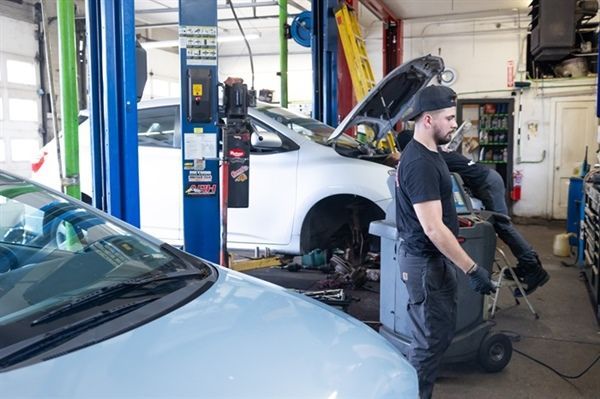
Hybrid and electric vehicles rely heavily on high-voltage electrical systems that require advanced diagnostic equipment far beyond traditional scan tools. These systems integrate electric motors, regenerative braking, and high-capacity battery management, each monitored by a complex network of control modules.
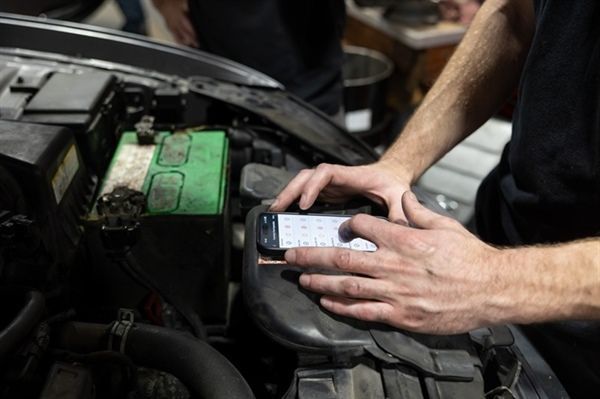
Modern diagnostic platforms designed for EVs can interpret manufacturer-specific fault codes and perform real-time analysis of components such as inverters, battery cells, and charging circuits. This level of precision allows technicians to isolate system faults that would be invisible to standard OBD-II tools.
Specialized insulation resistance testers, battery analyzers, and thermal imaging cameras are often used to evaluate battery performance and detect thermal inconsistencies. High-voltage gloves, insulated tools, and grounding devices are mandatory for safety during diagnostic and repair operations. The integration of software updates also means that many diagnostic tools must connect directly to OEM databases to access the latest calibration files and service bulletins, allowing for accurate analysis and repair.
Modern service centers invest significantly in hybrid and EV diagnostic platforms because accurate fault detection minimizes downtime and repair errors. These tools, such as those integrated into
auto repair diagnostics systems, ensure safe and efficient maintenance for every vehicle, whether fully electric or hybrid.
Specialized Technician Training for Hybrid and EV Maintenance
Technician training for hybrid and EV service requires a more advanced technical foundation than conventional automotive education. Electric vehicles operate on high-voltage systems — often exceeding 400 volts — that can pose serious safety hazards if mishandled. As a result, certification programs from manufacturers and organizations like the
National Institute for Automotive Service Excellence (ASE) now include specialized courses on high-voltage safety, energy recovery systems, and electric drive components.
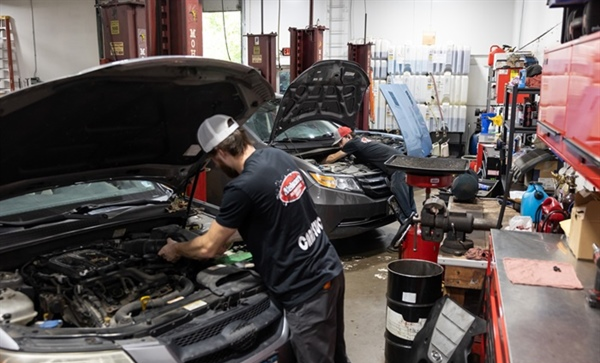
In contrast to conventional vehicles, hybrid and EV training emphasizes understanding of electric propulsion theory, battery chemistry, and electronic control logic. This includes learning how to depower high-voltage systems safely, test isolation resistance, and interpret diagnostic data unique to hybrid powertrains. Many technicians pursue ongoing education through OEM-sponsored classes or online modules to stay current with updates from automakers like Toyota, Tesla, and GM.
Shops that service both gas and electric vehicles must allocate time and resources for continuous skill development. The investment in technician education not only enhances repair accuracy but also supports the shop’s ability to work on cutting-edge vehicles, aligning with the standards maintained by full-service facilities such as those found at
auto repair specialists in Minneapolis.
Common Maintenance and Repairs Unique to Electric Vehicles
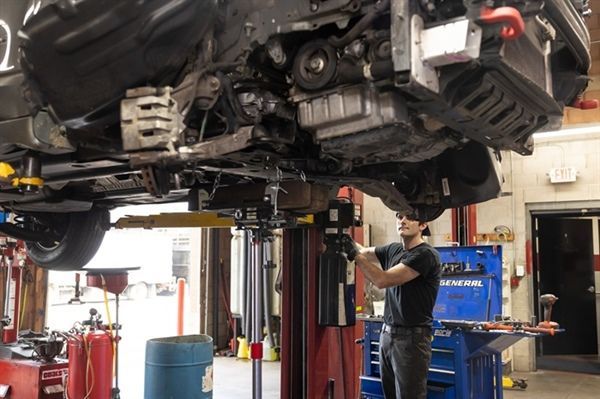
Electric vehicles eliminate many of the traditional maintenance tasks associated with combustion engines, such as oil changes and exhaust system repairs, but they introduce new service categories. The most critical maintenance items involve battery cooling systems, high-voltage cables, and regenerative braking components. Battery packs rely on thermal management systems — typically liquid cooling — to maintain optimal performance and longevity. Regular inspections ensure that these systems remain sealed and free of leaks or blockages.
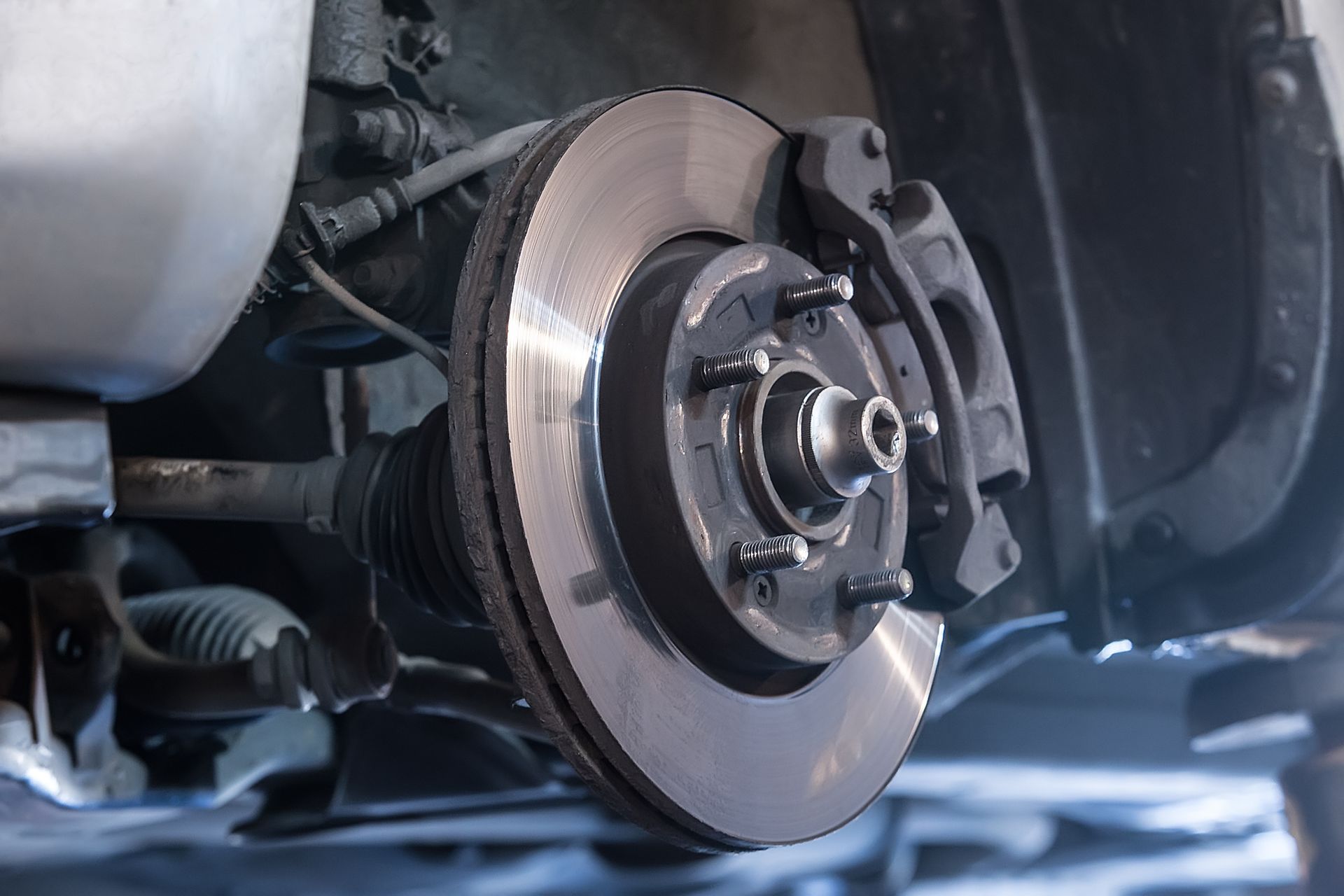
EV-specific components, such as the electric drive motor, inverter, and on-board charger, require periodic diagnostics to check for software faults and thermal efficiency. Brake systems, although less stressed due to regenerative braking, must still be inspected for corrosion and uneven wear caused by infrequent use. Tire rotations and alignments are also more critical on EVs due to their added weight, which affects suspension and tread life.
Because electric drivetrains rely on electronic rather than mechanical connections, many failures stem from software errors or sensor issues rather than worn parts. As such, skilled technicians must have proficiency in software calibration, firmware updates, and CAN bus diagnostics to maintain reliability across the EV system network.
Understanding EV Repair Costs and Customer Planning
While hybrid and electric vehicles are often cheaper to maintain in the long term due to fewer moving parts, certain repairs can be more costly. Battery replacement is the most significant expense, with costs ranging from several thousand to tens of thousands of dollars, depending on the make and capacity. Advanced inverters, cooling modules, and electric drive components also carry higher parts and labor costs due to the expertise and safety measures required for service.
Customers can manage these expenses through preventive maintenance, extended warranties, and software-based monitoring that alerts drivers to early signs of component degradation. Many manufacturers also provide battery warranties of eight years or 100,000 miles, giving owners peace of mind. Independent service centers are now offering predictive maintenance plans that leverage diagnostic data to forecast repair needs before failure, reducing unexpected costs.
Planning for EV repairs means recognizing the value of specialized service providers who invest in training and tools tailored to electric technology. This approach ensures long-term reliability and safety for drivers who rely on their vehicles for daily transportation.
How Independent Shops Stay Current with EV Technology Updates
Independent auto repair shops face the challenge of keeping up with rapidly evolving hybrid and EV technology without the direct support of a single manufacturer. To address this, many subscribe to OEM service information systems that provide real-time access to wiring diagrams, calibration updates, and repair procedures. Participation in certified training programs and partnerships with industry associations like the
Automotive Service Association (ASA) further allows technicians to remain current with best practices and safety protocols.
Modern diagnostic equipment often includes subscription-based software that automatically downloads the latest updates for specific vehicle models. This ensures compatibility with newer EVs as automakers release software revisions to improve performance or address recalls. Independent facilities also collaborate with technical networks and training academies to exchange repair data, case studies, and advanced troubleshooting strategies.
By combining continuous education, digital subscriptions, and professional networking, independent shops maintain the ability to service the latest hybrid and EV systems with the same level of expertise as dealership facilities.
Professional EV and Hybrid Service in Minneapolis
Nelson's Automotive Group delivers advanced hybrid and electric vehicle service through a team of highly trained professionals and cutting-edge diagnostic technology. From accurate high-voltage diagnostics to precision battery inspections, every service we provide is designed for safety and reliability.
For detailed information or to schedule an inspection, please
contact us today to keep your hybrid or EV performing at its best!