Full-service auto repair shops like
Nelson Automotive Group manage a
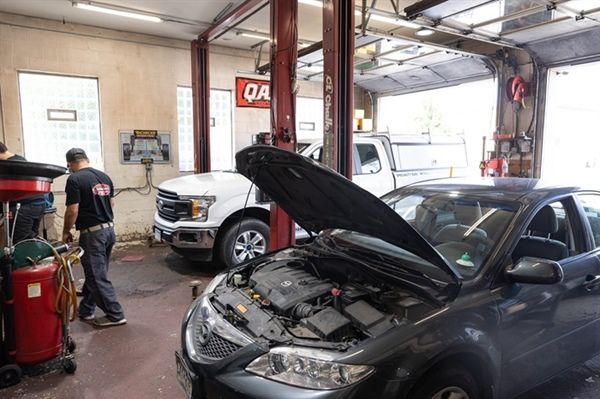
wide range of vehicle needs — from routine maintenance to major engine and transmission work — through a carefully coordinated system of expertise, tools, and scheduling. These facilities are equipped to handle every stage of a vehicle’s life cycle, balancing everyday services like oil changes and tire rotations with complex engine rebuilds and drivetrain overhauls.
The process demands a mix of skilled technicians, modern diagnostic technology, and strategic workflow management to keep turnaround times efficient without sacrificing quality. Routine services are often scheduled and completed the same day, while extensive repairs require more detailed coordination and time for parts sourcing and testing.
Throughout this article, we’ll explore how professional repair shops maintain operational efficiency and consistency across diverse repair types. We’ll cover five key areas, outlining how each element reflects the precision and planning that define successful automotive service operations, ensuring both everyday drivers and performance enthusiasts receive reliable, transparent, and technically sound support.
Coordinated Staffing and Workflow for Full-Spectrum Service
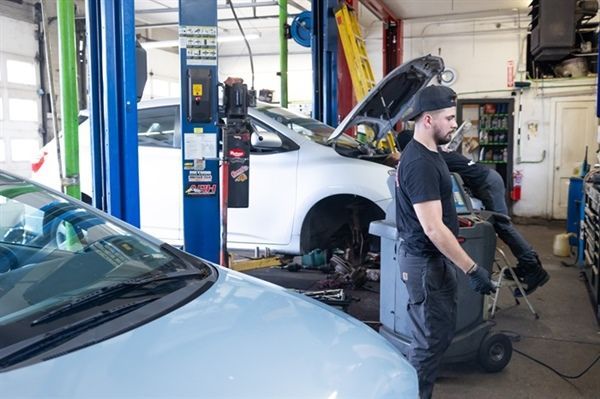
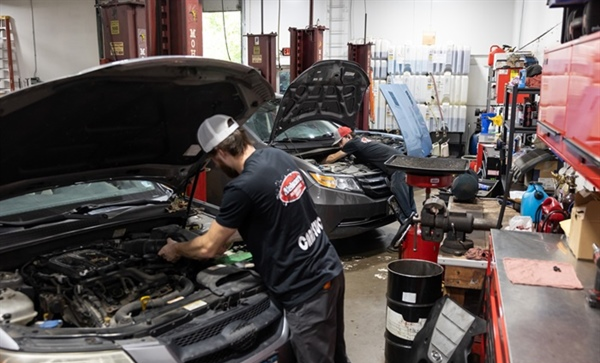
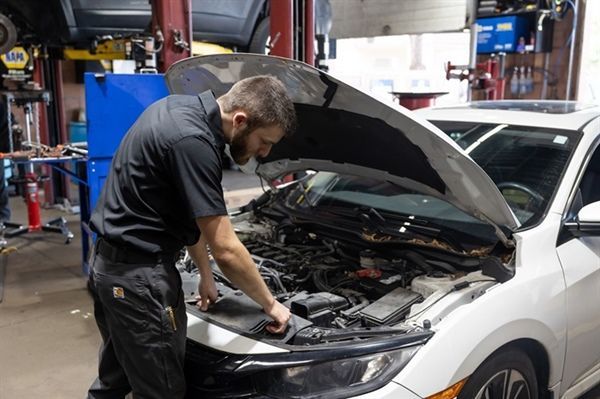
Full-service auto repair shops rely on a structured staffing system designed to accommodate a wide range of vehicle services. Typically, technicians are assigned based on experience and specialization — entry-level mechanics focus on preventive maintenance tasks, while
master technicians handle diagnostics, engine rebuilds, and transmission overhauls.
Service advisors act as the bridge between customers and technicians, ensuring all work orders are prioritized correctly. This tiered approach creates an efficient workflow where quick-turn jobs do not delay larger projects, and major repairs receive uninterrupted attention.
Workflow management software is essential in maintaining this balance. It assigns bays, tracks job status, and ensures that technicians with the appropriate skill level handle the correct tasks. The shop’s foreman or lead technician oversees quality assurance, ensuring that repair documentation and part orders align with service recommendations. This internal structure allows a shop to scale operations and maintain service consistency without compromising timelines.
By integrating a dedicated structure of trained staff and process management tools, facilities can support both immediate maintenance needs and in-depth overhauls within the same operation. This systematic approach provides the flexibility needed to handle everything from an
oil change to a
full engine service efficiently and accurately.
Precision Calibration Between Light and Heavy Repair Work
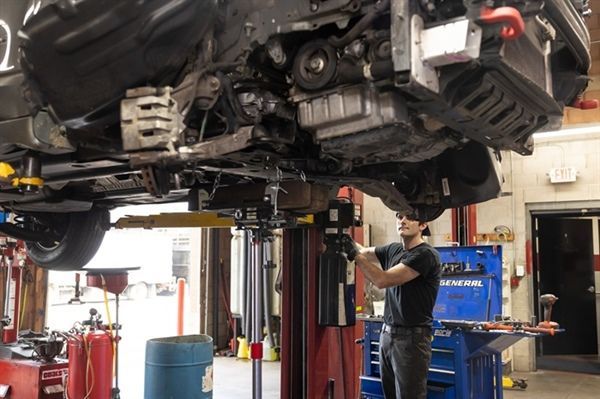
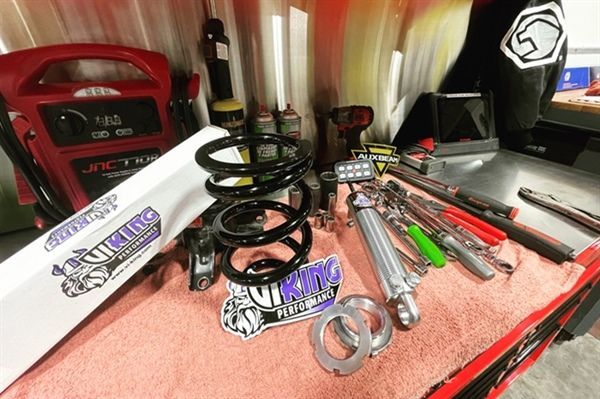
Shops that provide both minor maintenance and major repairs must frequently adjust and calibrate their diagnostic and mechanical tools. Equipment used for lighter jobs, such as fluid exchanges or tire balancing, is often standardized, while heavy repair tools, such as engine hoists, torque meters, and transmission jacks, require regular calibration and certification. This ensures precision when handling critical components like cylinder heads, camshafts, or gear assemblies.
Each workstation is typically equipped for specific repair levels. Light-duty bays are reserved for high-volume maintenance tasks, while heavy-duty bays feature reinforced lifts and specialized equipment. Between jobs, technicians recalibrate instruments such as torque wrenches and computerized diagnostic systems to maintain manufacturer accuracy standards. Failure to do so can compromise both repair integrity and customer safety.
Routine recalibration schedules are built into shop management protocols. Certified technicians verify calibration accuracy and document compliance records. These procedures are essential in ensuring consistent quality between quick maintenance jobs and extensive
transmission service or engine replacements.
Scheduling and Staging Differences Between Maintenance and Major Repair
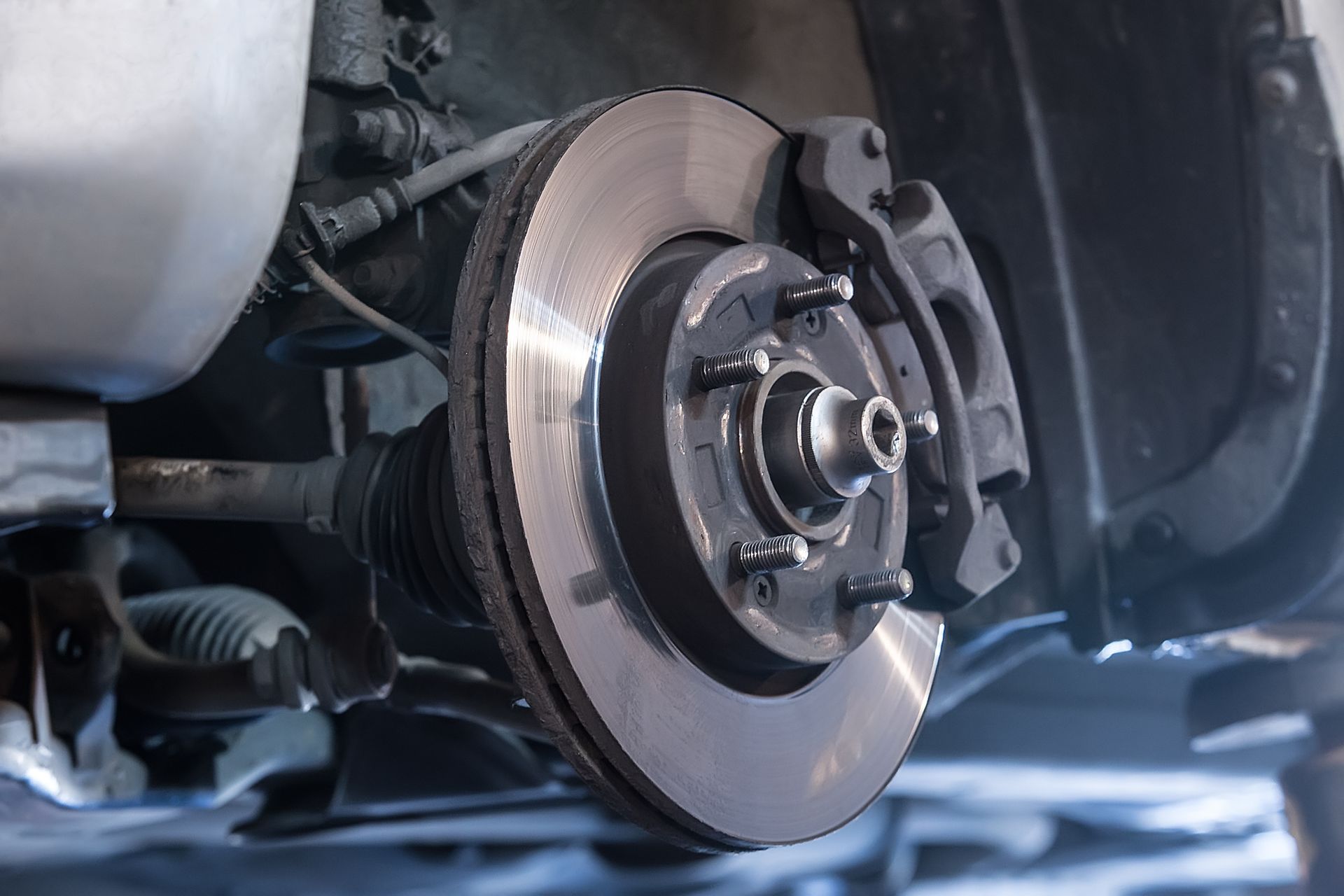
Routine maintenance follows a streamlined scheduling process designed for efficiency. Customers can often book same-day or next-day service for oil changes, tire rotations, or
brake pad replacements. Major engine and transmission repairs, however, require a staging process involving vehicle inspection, diagnostic confirmation, part ordering, and technician assignment. This process can extend over several days or even weeks, depending on part availability and repair scope.
Shops manage this by maintaining separate workflows for short-term and long-term repairs. Vehicles awaiting major work are often staged in dedicated holding areas until all required parts arrive. This avoids occupying lifts and workstations needed for daily maintenance operations. Scheduling software integrates inventory tracking, technician availability, and repair timelines to provide customers with accurate estimates.
By balancing these systems, a full-service facility can maintain predictable scheduling for both quick services and complex repairs, ensuring transparency and minimizing downtime for all customers.
Communication Standards for Major Repair Projects
Communication becomes more structured during major repair processes due to extended timelines, cost estimates, and potential adjustments in scope. Service advisors provide customers with initial diagnostic results and a projected timeline that includes part procurement and estimated labor hours. As work progresses, updates are delivered at each key milestone — for example, after teardown inspection or upon parts arrival.
When issues arise, such as discovering additional component wear or delays in part delivery, shops use digital service management tools to log and communicate updates in real time. Clear documentation prevents misunderstandings and allows for transparent cost escalation discussions. Communication records also serve as references for warranty validation and quality audits.
This methodical communication ensures that customers are informed, confident, and engaged throughout the repair process. It reinforces trust, particularly when dealing with extended projects like engine or transmission rebuilds, where timelines and costs can shift based on diagnostic findings.
Warranty, Test-Drive, and Post-Repair Follow-Up Procedures
After completing significant engine or transmission repairs, full-service shops perform post-repair testing and quality control procedures to confirm proper operation. These tests often include multiple diagnostics, road test verification, and a post-service inspection checklist. The results are documented and retained for warranty purposes, providing both the customer and the shop with service accountability.
Warranty coverage varies based on the nature of the repair, but most full-service facilities offer both
part and labor warranties for a defined mileage or time period. Follow-up inspections may be scheduled to reassess fluid levels, torque settings, and overall system performance. Test drives are performed by certified technicians to verify drivability, performance, and the absence of new fault codes.
How Nelson Automotive Group Supports Comprehensive Auto Care
At
Nelson Automotive Group, each repair and maintenance task is supported by a proven workflow, calibrated tools, and skilled specialists
committed to quality. Whether your vehicle needs a fluid change, timing belt replacement, or complete transmission rebuild, every step is handled with precision and attention to manufacturer specifications.
For expert repair, trusted warranty coverage, and complete service care, call us or
contact us to schedule your appointment today!